

Le Guide de l'Espresso: Fossa cheese from Sogliano Dop


Type, production notes:
Fat cheese; cow's or mixed milk, whole, raw or pasteurized; lamb rennet
or veal; pressed, fermented, raw or semi-cooked, semi-hard pasta; semi-seasoned or
seasoned.
Taste-olfactory synthesis:
Aromas of undergrowth, mold and truffle. The more intense the pecorino cheese, the sweeter and more delicate the vaccines.
Balanced the mixes, with points of acidulous and bittering, given the fermentations in the pit.
Complex.
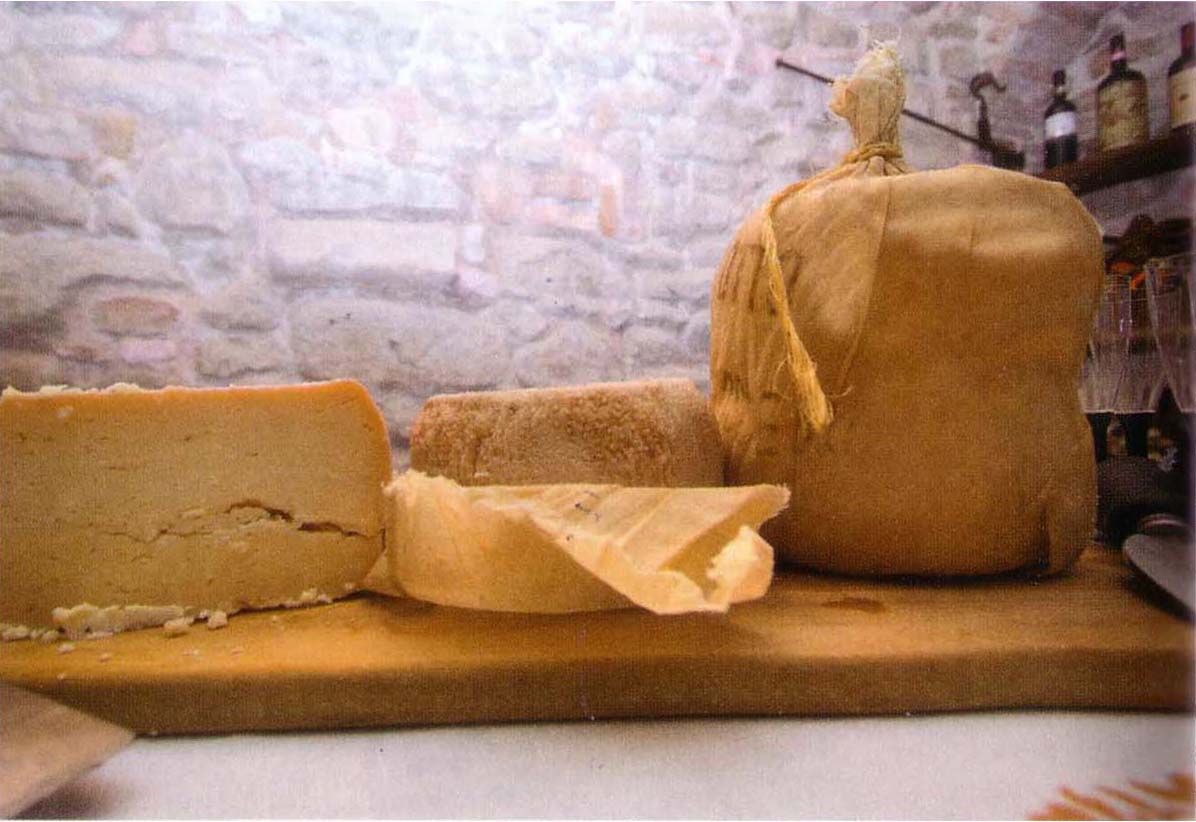
Historic cheese from the Apennines between Emilia Romagna and the Marche (here you produces a PIT Pecorino PAT, different from the DOP only for the pits in which it comes seasoned), where the historic Malatesta family used to hide the caci, which often risked being raided by passing armies, in dug pits in the sandstone rock. The milk is processed within 48 hours of the first milk, the coagulation occurs with veal rennet. The raw curd is pressed manually for purging and salted, dry or in brine. They are left to season in the "fossae" cheeses produced following different production processes. Generally they "in-fossano" semi-cured cheeses produced from sheep's milk, cow's milk or a mixed cow's milk-sheep's milk. Not has a defined shape because, due to the anaerobic fermentations that occur in pit, the cheese undergoes crushing that completely alters the initial appearance. The maturation begins in the dairy, where for 60 days the cheese is stabilizes, then passes inside tuff and sandstone pits equipped with a particular microclimate, so as to ensure a constant temperature, minimum range and humidity close to 100%; hollowed out in a flask shape and hermetically sealed with wooden lids, which must be at least 10 years old so that those particular colonies form inside of bacteria that can give to cheese, stored underground for about 80-100 days, the typical intense and pungent aromatic notes. The pits usually open on the occasion of the feast of Saint Catherine, on November 25, the day of the "ditching".
 Beer - Barley Wine Xyauyu' - 12'/14'C
 Wine - Barbera Bibendurn Maria Bortolotti Wine Company
 Sauce (chutney) - Aosta Valley Apple, Pepper, Onion, Habanero, Tropea Onion
 Honey - Fir honeydew (from the Casentino forests)
 Passito Greco di Bianco DOC Luca' Farm